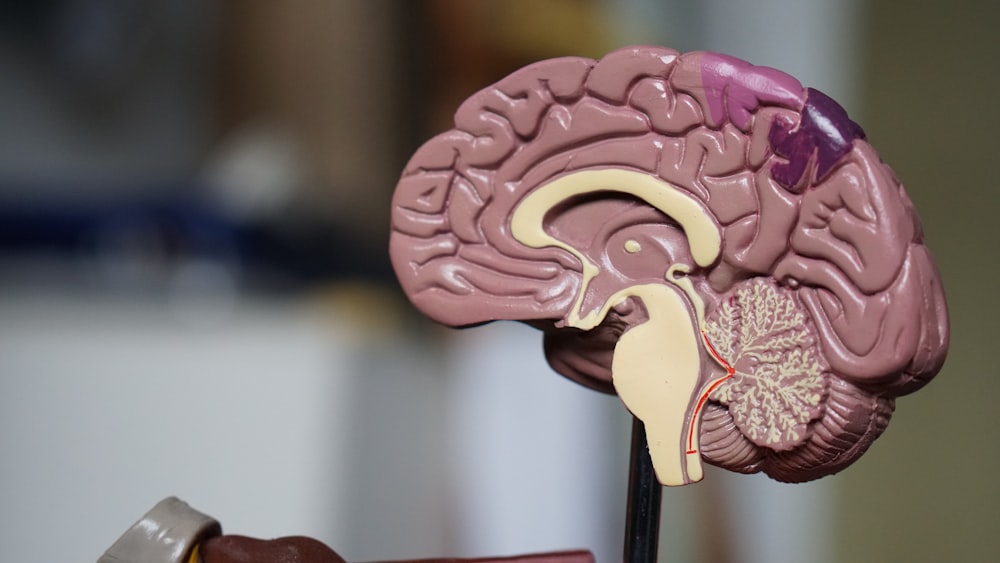
Understanding how your brain processes and retains information is fundamental to becoming an effective learner. The field of educational psychology has revealed fascinating insights about how our brains absorb, process, and store knowledge. By understanding these psychological principles, you can optimize your learning strategies and dramatically improve your ability to acquire and retain new information.
The Neuroscience of Learning
Learning is fundamentally a biological process that occurs through changes in your brain's neural networks. When you encounter new information, your brain creates new connections between neurons, strengthens existing pathways, and modifies the structure of your neural networks. This process, known as neuroplasticity, is the foundation of all learning and memory formation.
Recent neuroscience research has shown that learning involves multiple brain regions working together. The hippocampus plays a crucial role in forming new memories, while the prefrontal cortex is involved in attention, planning, and decision-making. The amygdala processes emotional information, which is why emotionally significant experiences are often remembered more vividly and for longer periods.
Cognitive Load Theory and Learning Efficiency
Cognitive Load Theory, developed by John Sweller, explains how the brain processes information and why some learning strategies are more effective than others. Understanding this theory can help you optimize your study methods and avoid cognitive overload.
Types of Cognitive Load
Intrinsic load refers to the inherent complexity of the material you're trying to learn. This load is determined by the nature of the content and your prior knowledge. Extraneous load is caused by poorly designed learning materials or inefficient study methods. This type of load doesn't contribute to learning and should be minimized. Germane load represents the mental effort devoted to processing, constructing, and automating schemas—this is the load that actually promotes learning.
Optimizing Cognitive Load
To maximize learning efficiency, focus on reducing extraneous load while managing intrinsic load appropriately. Break complex information into smaller, manageable chunks. Use visual aids and diagrams to reduce the cognitive effort required to understand relationships between concepts. Eliminate distractions and unnecessary information that doesn't contribute to learning.
Memory Systems and Information Processing
Your brain processes information through multiple memory systems, each with different characteristics and capacities. Understanding these systems helps you develop strategies that work with your brain's natural processes rather than against them.
Sensory Memory
Sensory memory is the first stage of information processing, where sensory information is briefly held in its original form. This memory system has a large capacity but very short duration—typically less than a second for visual information and a few seconds for auditory information. To effectively use sensory memory, ensure your study environment provides clear, undistorted sensory input.
Working Memory
Working memory, also known as short-term memory, is where conscious processing of information occurs. This system has limited capacity—typically 7±2 items for most people—and requires active maintenance to retain information. To work effectively with working memory limitations, chunk information into meaningful groups, use mnemonic devices, and avoid trying to process too much information simultaneously.
Long-term Memory
Long-term memory has virtually unlimited capacity and can store information indefinitely. Information moves from working memory to long-term memory through processes like rehearsal, elaboration, and meaningful processing. To enhance long-term memory formation, connect new information to existing knowledge, use multiple sensory modalities, and engage in regular retrieval practice.
Learning Styles and Individual Differences
While the concept of distinct learning styles has been largely debunked by research, individual differences in learning preferences and cognitive strengths do exist. Understanding your own learning preferences can help you develop more effective study strategies.
Multimodal Learning
Research shows that most people learn best when information is presented through multiple sensory modalities. Visual learners benefit from diagrams, charts, and spatial representations. Auditory learners process information more effectively through spoken explanations and discussions. Kinesthetic learners benefit from hands-on activities and physical movement. The most effective approach combines multiple modalities rather than relying on a single learning style.
Processing Speed and Depth
Individuals differ in how quickly they process information and how deeply they prefer to engage with material. Some learners prefer to process information quickly and broadly, while others prefer slower, more detailed processing. Understanding your processing preferences can help you choose study methods that match your natural tendencies while also developing skills in areas where you're less comfortable.
The Role of Attention in Learning
Attention is the gateway to learning—without focused attention, information cannot be effectively processed or stored. Understanding how attention works can help you optimize your learning environment and study habits.
Types of Attention
Sustained attention is the ability to maintain focus on a task over extended periods. This type of attention is crucial for deep learning and complex problem-solving. Selective attention allows you to focus on relevant information while ignoring distractions. This skill is essential for effective studying in environments with competing stimuli. Divided attention involves processing multiple streams of information simultaneously, though this is generally less effective for learning than focused attention.
Improving Attention for Learning
Practice mindfulness and meditation to strengthen your attention muscles. Create distraction-free study environments that support sustained focus. Use techniques like the Pomodoro Method to work with your natural attention cycles. Take regular breaks to prevent attention fatigue and maintain optimal focus throughout study sessions.
Motivation and Learning
Motivation plays a crucial role in learning effectiveness. Understanding the psychological principles of motivation can help you maintain engagement and persistence in your learning endeavors.
Intrinsic vs. Extrinsic Motivation
Intrinsic motivation comes from internal factors like curiosity, interest, and personal satisfaction. This type of motivation is associated with deeper learning, better retention, and greater creativity. Extrinsic motivation comes from external factors like grades, rewards, or social pressure. While extrinsic motivation can be effective for short-term goals, intrinsic motivation is more sustainable and leads to better long-term learning outcomes.
Self-Determination Theory
Self-Determination Theory suggests that motivation is highest when three basic psychological needs are met: autonomy (feeling in control of your learning), competence (feeling capable of success), and relatedness (feeling connected to others). To enhance motivation, seek learning opportunities that provide choice and control, set achievable goals that build competence, and connect with others who share your learning interests.
Metacognition and Learning Strategies
Metacognition, or thinking about thinking, is a crucial skill for effective learning. It involves monitoring your own learning processes, evaluating your understanding, and adjusting your strategies accordingly.
Metacognitive Strategies
Planning involves setting learning goals, choosing appropriate strategies, and allocating time and resources effectively. Monitoring requires ongoing assessment of your understanding and progress toward your goals. Evaluating involves reflecting on the effectiveness of your learning strategies and making adjustments for future learning tasks.
Developing Metacognitive Skills
Regularly reflect on your learning processes and outcomes. Ask yourself questions like "What strategies worked best for this material?" and "How could I improve my approach next time?" Keep a learning journal to track your strategies and their effectiveness. Seek feedback from teachers, peers, or mentors about your learning approaches and outcomes.
Emotional Factors in Learning
Emotions play a significant role in learning and memory formation. Understanding how emotions affect learning can help you create more effective and enjoyable learning experiences.
The Impact of Emotions on Memory
Positive emotions generally enhance learning by increasing attention, motivation, and memory consolidation. However, excessive positive emotions can sometimes interfere with focused attention. Negative emotions like anxiety can impair learning by reducing working memory capacity and attention. Moderate levels of stress can actually enhance learning by increasing alertness and focus.
Managing Emotions for Optimal Learning
Create positive learning experiences by connecting new material to your interests and goals. Manage anxiety through relaxation techniques, preparation, and realistic goal-setting. Use emotional regulation strategies like deep breathing, positive self-talk, and reframing challenges as opportunities for growth.
Social Learning and Collaboration
Learning is inherently social, and collaboration can significantly enhance learning outcomes. Understanding the psychological principles behind social learning can help you leverage group study and collaborative learning opportunities effectively.
Social Learning Theory
Social Learning Theory, developed by Albert Bandura, emphasizes the role of observation, imitation, and modeling in learning. People learn not only through direct experience but also by observing others and the consequences of their actions. This principle explains why study groups, peer tutoring, and collaborative learning can be so effective.
Benefits of Collaborative Learning
Collaborative learning provides opportunities for explanation and elaboration, which enhance understanding and retention. Group discussions expose learners to different perspectives and approaches to problem-solving. Peer teaching requires learners to organize and articulate their knowledge, deepening their own understanding. Social interaction provides emotional support and motivation for learning.
Applying Psychology to Your Learning
Understanding the psychology of learning provides you with powerful tools for optimizing your educational experience. By applying these psychological principles—from cognitive load management to emotional regulation—you can develop more effective study strategies, improve your retention of information, and make learning a more enjoyable and successful process. Remember that learning is a skill that can be developed and refined, and understanding the psychological foundations of learning is the first step toward becoming a more effective learner.