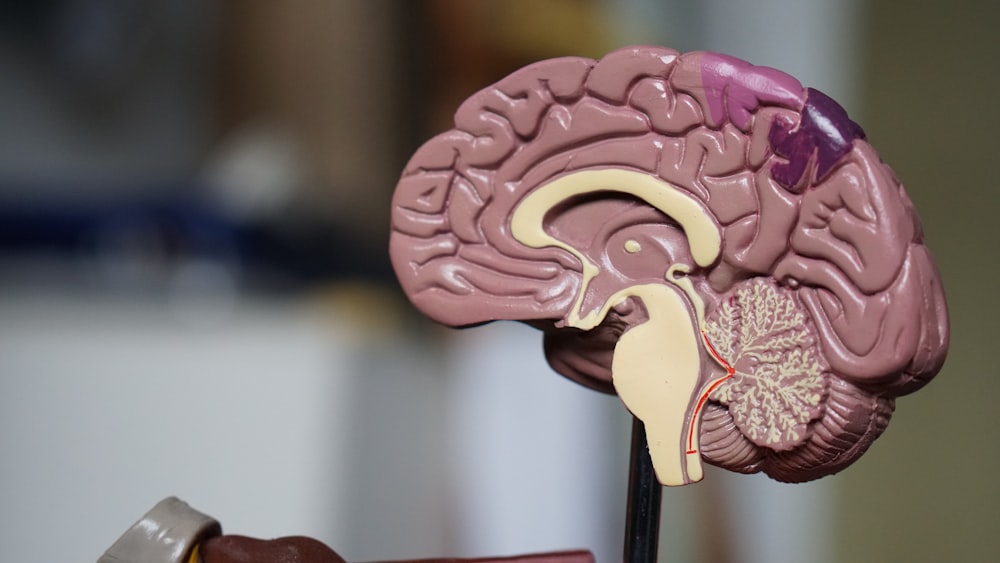
Memory is the foundation of all learning, yet many students struggle with retaining information despite spending hours studying. Understanding how memory works can revolutionize your approach to learning and dramatically improve your ability to remember and recall information. This comprehensive guide explores the science of memory, from the basic mechanisms of how memories are formed to advanced techniques for maximizing retention and recall.
Understanding How Memory Works
Memory is not a single process but a complex system involving multiple stages and brain regions. Understanding these processes helps explain why some information is easily remembered while other information is quickly forgotten.
The memory process begins with encoding, where information is transformed into a form that can be stored in the brain. This is followed by storage, where the information is maintained over time, and retrieval, where stored information is accessed when needed. Each stage can be optimized to improve overall memory performance.
The Three Stages of Memory
Memory researchers have identified three distinct stages of memory, each with different characteristics and capacities. Understanding these stages helps explain why some memories last only seconds while others persist for decades.
Sensory Memory
Sensory memory is the first stage of memory, where sensory information is briefly held in its original form. This memory system has a large capacity but very short duration—typically less than a second for visual information and a few seconds for auditory information. Sensory memory acts as a buffer, allowing the brain to process incoming information and decide what to attend to. To effectively use sensory memory, ensure your study environment provides clear, undistorted sensory input.
Short-term Memory (Working Memory)
Short-term memory, also called working memory, is where conscious processing of information occurs. This system has limited capacity—typically 7±2 items for most people—and requires active maintenance to retain information. Working memory is crucial for learning because it's where new information is processed and connected to existing knowledge. To work effectively with working memory limitations, chunk information into meaningful groups, use mnemonic devices, and avoid trying to process too much information simultaneously.
Long-term Memory
Long-term memory has virtually unlimited capacity and can store information indefinitely. Information moves from working memory to long-term memory through processes like rehearsal, elaboration, and meaningful processing. Long-term memory is divided into explicit memory (conscious recall) and implicit memory (unconscious influence). To enhance long-term memory formation, connect new information to existing knowledge, use multiple sensory modalities, and engage in regular retrieval practice.
Types of Long-term Memory
Long-term memory is not a single system but consists of multiple types that serve different functions. Understanding these different types helps explain why some information is easier to remember than others.
Episodic Memory
Episodic memory stores information about specific events, experiences, and personal episodes. This type of memory includes contextual details like when and where events occurred. Episodic memories are often rich in sensory and emotional details. To enhance episodic memory, create vivid, multi-sensory experiences when learning new information.
Semantic Memory
Semantic memory stores general knowledge, facts, and concepts that are not tied to specific personal experiences. This type of memory includes vocabulary, historical facts, scientific concepts, and other academic knowledge. Semantic memories are organized in networks of related concepts. To enhance semantic memory, focus on understanding relationships between concepts rather than memorizing isolated facts.
Procedural Memory
Procedural memory stores information about how to perform skills and procedures. This type of memory is often unconscious and automatic once learned. Procedural memories are resistant to forgetting and can be performed without conscious effort. To enhance procedural memory, practice skills regularly and focus on correct technique rather than speed.
The Forgetting Curve and Spaced Repetition
Hermann Ebbinghaus's research on the forgetting curve revealed that we forget information rapidly unless it's reinforced through practice. Understanding this curve is crucial for developing effective study strategies.
Understanding the Forgetting Curve
The forgetting curve shows that we forget approximately 50% of new information within an hour and 90% within a week if no reinforcement occurs. The rate of forgetting depends on factors like the difficulty of the material, how well it was learned initially, and the meaningfulness of the information. Forgetting is not a failure of memory but a normal process that helps us focus on important information.
Spaced Repetition
Spaced repetition involves reviewing information at increasing intervals to counteract the forgetting curve. The optimal intervals are typically immediately after learning, then after 1 day, 3 days, 1 week, 2 weeks, and 1 month. Spaced repetition is more effective than massed practice (cramming) for long-term retention. Use spaced repetition software or create your own review schedule based on forgetting curves.
Encoding Strategies for Better Memory
How you encode information significantly affects how well you'll remember it later. Using effective encoding strategies can dramatically improve your memory performance.
Elaborative Processing
Elaborative processing involves connecting new information to existing knowledge and personal experiences. This deep processing creates multiple pathways for retrieving information later. Ask yourself how new concepts relate to things you already know or have experienced. Create mental images, stories, or analogies to help remember abstract concepts. The more connections you create, the stronger your memory will be.
Visual Imagery
Visual imagery is one of the most powerful memory techniques because the brain processes visual information more efficiently than verbal information. Create vivid, detailed mental images to represent abstract concepts or information. Use the method of loci (memory palace) to organize information spatially. Combine visual imagery with other sensory modalities for even stronger memories.
Organization and Chunking
Organizing information into meaningful groups or chunks makes it easier to remember and retrieve. Group related information together and look for patterns or relationships. Use hierarchical organization to structure complex information. Break large amounts of information into smaller, manageable chunks that can be processed effectively.
Retrieval Practice and Testing Effects
Retrieval practice, or testing yourself on material, is one of the most effective ways to strengthen memory. The testing effect shows that the act of retrieving information from memory strengthens the memory trace more than simply re-reading the material.
The Testing Effect
Testing yourself on material improves retention more than passive review methods like re-reading notes. The testing effect works because retrieval practice strengthens memory pathways and identifies knowledge gaps. Testing helps you understand what you know and what you need to study more. Use testing as a learning tool, not just an assessment method.
Effective Testing Strategies
Use flashcards, practice tests, and self-quizzing to test your knowledge regularly. Test yourself on material before you think you're ready to identify areas that need more study. Use different types of test questions to practice retrieving information in various ways. Space out your testing sessions to maximize the benefits of retrieval practice.
Mnemonic Devices and Memory Techniques
Mnemonic devices are memory aids that help you remember information by associating it with something more memorable. These techniques can be particularly useful for remembering lists, sequences, or complex information.
Acronyms and Acrostics
Acronyms use the first letters of words to create memorable abbreviations. Acrostics use the first letters to create memorable phrases or sentences. These techniques work well for remembering ordered lists or sequences. Create your own acronyms and acrostics to make them more personally meaningful.
Method of Loci (Memory Palace)
The method of loci involves associating information with specific locations in a familiar place. This technique is particularly effective for remembering large amounts of information in order. Use familiar places like your home or school to create your memory palace. Practice the method regularly to develop it as a skill.
Rhymes and Songs
Rhymes and songs make information more memorable by adding rhythm and melody. Create rhymes or songs to remember important facts or procedures. Use existing songs and change the lyrics to fit your study material. The more creative and personal your rhymes, the more memorable they'll be.
Context and State-Dependent Memory
Memory is influenced by the context in which information is learned and retrieved. Understanding context effects can help you optimize your study and test-taking strategies.
Environmental Context
We remember information better when we're in the same environment where we learned it. This is why studying in the same place where you'll take a test can improve performance. However, varying your study environment can actually improve memory by making it less dependent on specific contexts. Consider the environmental context when planning your study sessions.
State-Dependent Memory
Our internal state (mood, arousal level, etc.) affects how well we remember information. We tend to remember information better when we're in the same emotional or physiological state as when we learned it. This effect is particularly strong for emotional memories. Be aware of your state when studying and try to match it during testing when possible.
Sleep and Memory Consolidation
Sleep plays a crucial role in memory consolidation, the process by which memories are strengthened and integrated into long-term storage. Understanding this relationship can help you optimize your study schedule.
The Role of Sleep in Memory
During sleep, the brain consolidates memories by strengthening important connections and weakening less important ones. Different stages of sleep are important for different types of memory consolidation. Sleep deprivation significantly impairs memory formation and consolidation. Getting adequate sleep is essential for effective learning and memory.
Optimizing Sleep for Memory
Study important material before going to sleep to take advantage of overnight consolidation. Maintain consistent sleep schedules to support optimal memory consolidation. Avoid studying right before bed if it causes stress or anxiety that interferes with sleep. Consider taking short naps after studying to enhance memory consolidation.
Emotion and Memory
Emotions significantly influence memory formation and retrieval. Understanding this relationship can help you create more memorable learning experiences.
The Impact of Emotion on Memory
Emotional events are typically remembered more vividly and for longer periods than neutral events. Moderate levels of emotional arousal enhance memory formation, while extreme emotions can impair it. Positive emotions generally enhance learning and memory more than negative emotions. Use emotional connections to make information more memorable.
Creating Emotional Connections
Connect new information to your personal interests, goals, or experiences. Use storytelling to make abstract concepts more emotionally engaging. Find ways to make learning personally meaningful and relevant. Share your learning with others to create social and emotional connections to the material.
Metacognition and Memory Monitoring
Metacognition, or thinking about your own thinking, is crucial for effective memory management. Being aware of your memory processes helps you make better decisions about how to study and learn.
Monitoring Your Memory
Regularly assess your understanding and memory of material you're studying. Use techniques like the Feynman Technique to test your knowledge. Keep track of what you know well and what needs more practice. Be honest about your memory strengths and weaknesses.
Adjusting Your Strategies
Modify your study strategies based on how well you're remembering different types of material. Use different techniques for different subjects or types of information. Experiment with new memory techniques and evaluate their effectiveness. Seek feedback from teachers or peers about your understanding and retention.
Building a Memory-Friendly Lifestyle
Your overall lifestyle choices significantly impact your memory performance. Making healthy choices supports optimal brain function and memory formation.
Physical Health and Memory
Regular exercise improves blood flow to the brain and supports memory formation. A healthy diet rich in omega-3 fatty acids, antioxidants, and other brain-supporting nutrients enhances memory. Adequate hydration is essential for optimal brain function and memory. Avoid excessive alcohol and drug use, which can impair memory formation.
Mental Health and Memory
Chronic stress impairs memory formation and retrieval by affecting the hippocampus. Practice stress management techniques like meditation, deep breathing, or exercise. Maintain social connections, which support cognitive health and memory. Seek help for mental health issues that may be affecting your memory and learning.
Mastering the Science of Memory
Understanding the science of memory empowers you to take control of your learning and dramatically improve your ability to remember and recall information. By implementing evidence-based memory techniques and understanding how your brain processes and stores information, you can transform your study habits and achieve academic success. Remember that memory is a skill that can be developed and improved with practice. The techniques and strategies outlined in this guide are not just study tips—they're tools for building a more effective and efficient learning system that will serve you throughout your academic career and beyond.